Brampton Commercial Cleaning Pros
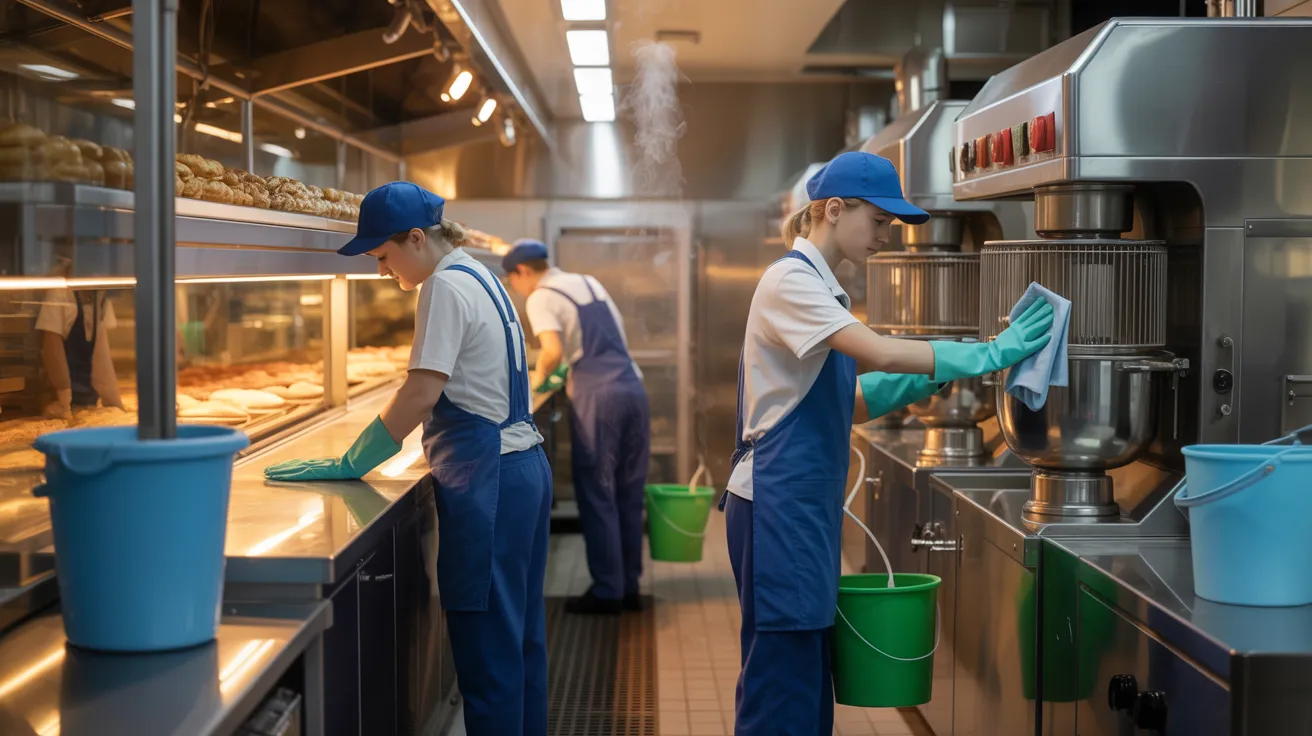
Commercial hygiene experts located in Brampton ensure restaurants, food distribution facilities, baking enterprises, warehouses, and food service vehicles to sanitation standards. They disinfect frequently handled areas, food-contact areas, equipment, floors, drains, restrooms, and preparation zones with certified chemicals, in correct dilution, and with verified times.
Essential Summary
- Food safety cleaning specialists from Brampton work with restaurants, grocery departments, commissaries, warehouses, bakeries, schools, mobile vendors, and allergen-sensitive operations.
- Area-specific procedures disinfect frequently contacted areas, food-contact equipment, kitchens, floors, drains, restrooms, and storage areas for avoiding cross-contamination.
- Checking of approved sanitizer dilution, suitability, and contact time is conducted by certified providers, with finalization logged using swabs, inspections, and action records.
- Effective maintenance calendars take into account threat, production volume, format changes, spills, and requirements when designating regular, recurring, and annual activities by location.
- Select suppliers with HACCP, public-health, understanding, WHMIS, education, coverage, references, color-categorized tools, and assessment-ready hygiene files.
What Brampton Facilities Require Food Safety Cleaning?
Food safety cleaning is mandatory for any Brampton facility that manages, stores, prepares, packages, or distributes food. Apply it to your establishment if it comes under health inspections, food codes, or HACCP requirements. This includes restaurants, cafeterias, commissaries, grocery food departments, butcher shops, seafood counters, convenience stores, and institutional kitchens.
You also need adherent sanitation protocols in distribution centers, food processing plants, freezer facilities, commercial bakeries, educational nutrition programs, event spaces, and catering hubs. Mobile and seasonal operations count too, including mobile kitchens, festival sellers, and temporary food stands. If your staff handle ingredients, section prepared foods, heat finished items, or keep allergens stored, your facility needs written cleaning standards. In Brampton, food safety isn't optional; it's part of regulatory, business, and safety compliance.
What Do Brampton Cleaning Professionals Handle?
You need cleaning experts who sanitize high-touch surfaces, kitchen areas, floor surfaces, and bathrooms to comply with food safety and health regulations. They focus on these spaces because they pose the greatest danger for cross-contamination, slip hazards, and sanitation breaches.
If you grasp what they sanitize, you'll be able to confirm your facility meets all operational and regulatory compliance needs.
Addressing High-Touch Surface Cleaning
determine how frequently each zone is cleaned
confirm effective sterilization
Food Prep Areas, Flooring, and Sanitary Facilities
Expect Brampton cleaning experts to focus on kitchens, floors, and restrooms because each area carries distinct foodborne illness prevention, slip-and-fall, and public health risks. In industrial kitchens, you need degreasing on cook lines, equipment exteriors, drains, prep surfaces, and splash zones to reduce contamination and pest pressure.
Floor care that is documented should also be anticipated. Technicians clean and remove buildup from tile grout, ceramic surfaces, and vinyl floors, then apply correct drying techniques so you can reduce slip incidents and maintain code-compliant conditions. They also address entryways where moisture and debris migrate indoors.
Restroom sanitation involves sanitizing surfaces, fittings, separators, dispensers, and containers, restocking supplies and controlling odours. They also service restaurant moprooms, where chemical storage, sink hygiene, and drainage conditions can affect sanitation compliance and staff safety daily.
How Food Safety Cleaning Benefits Brampton Operations
In Brampton, you must copyright sanitary cleaning practices to meet health code requirements and achieve compliance. You also reduce cross-contamination by cleaning and sanitizing food-contact surfaces, equipment, and high-touch areas correctly. Most importantly, you safeguard public health by lowering the risk of foodborne illness in your facility.
Sanitary Standards Adherence
Since Brampton food companies must follow strict public health standards, your cleaning procedures directly influences your competence to adhere to health codes, protect diners, and sidestep regulatory penalties. You must maintain hygienic food handling zones, verifiable cleaning logs, proper chemical use, and verifiable staff procedures that align with municipal and provincial inspection expectations.
Good hygiene practices promotes allergen control by decreasing buildup on mutual appliances and high-touch areas.
Cross-Contamination Prevention
Following health code standards depends on your skill in stopping cross-contamination in routine food work and sanitation. You should isolate raw items from prepared foods, disinfect work areas after use, and store chemicals away from food-contact items. Well-defined guidelines decrease contamination chances and promote steady regulatory adherence.
Building allergen segregation prevents key allergens from reaching shared surfaces, containers, or equipment. Utilize dedicated cutting boards, color-coded tools, and precise instrument labeling so team members won't blend products during preparation or service.Enforce handwashing after handling raw meat, seafood, eggs, or allergen-containing products. Swap wiping cloths regularly, and confirm disinfectant efficacy using test strips. When you train staff to follow these controls every shift, you create a cleaner, safer operation that meets Brampton's food safety expectations consistently.
Community Health Protection
When sanitation protocols breaks down, you don't just face inspection failure—you heighten the likelihood of food-related sickness affecting customers, staff, and the wider Brampton community. You also weaken your role in safeguarding community wellness, especially in busy food facilities where contamination can spread quickly through surfaces, equipment, and touchpoints.
You require sanitation protocols that eliminate soils, disinfect correctly, and confirm effectiveness. This requires following contact periods, utilizing approved disinfectants, start now documenting procedures, and training employees to meet health-unit expectations. These mechanisms support pathogen reduction by decreasing microbes before contaminating food or surfaces. Across Brampton, strong cleaning safeguards vulnerable groups, limits outbreak risk, and demonstrates accountability. When you follow standards, you exceed regulations—you meaningfully reduce risk and enable safer food service throughout the area.
How Does Cleaning Support Food Safety Compliance?
Thorough cleaning protocols support food safety compliance by lowering contamination exposure, limiting pathogen development, and keeping your facility aligned with sanitation requirements under HACCP-based programs and public health regulations. You confirm that contact surfaces appear visibly clean and microbiologically controlled, backing documented preventive controls and inspection readiness.
Effective cleaning also improves allergen management by eliminating residues that can lead to undeclared allergen exposure. by removing residues that can provoke undeclared allergen exposure.
When Should You Plan Commercial Cleaning?
food-contact surfaces, bathrooms, and frequently touched areas
Managing occasional tasks separately guarantees improved organization.
Finding Quality Brampton Cleaning Experts: A Guide
Begin by evaluating providers based on food-safe sanitation requirements—not solely on budget. You should confirm that each organization comprehends CFIA, public health, and HACCP-based requirements applicable to your facility. Request proof of insurance, WHMIS compliance, staff training documentation, and oversight procedures. Assess whether technicians recognize cross-contamination hazards, chemical handling protocols, and verifiable sanitation records.
You must also evaluate business consistency and accountability. Seek references from Brampton food companies, then assess response times, corrective-action procedures, and communication standards. Ensure the company supports supplier audits and can provide inspection-compliant records when authorities or third parties demand verification. Verify equipment is maintained, colour-coded tools are deployed correctly, and site-specific hazards are understood. A reputable service safeguards compliance, product safety, and your brand reputation.
What does a Food Safety Cleaning Plan consist of?
Document a plan that outlines every sanitation task, standard, and responsibility before production begins. You should include cleaning schedules, approved products, ratios, contact periods, tools, and validation approaches for each zone, surface, and piece of equipment. Remember to add pre-operational inspections, corrective actions, and employee training requirements.
Your plan should also address prevention of contamination, waste management, pest-control tactics, and scheduled records for facilities, drains, flooring, and food-preparation surfaces. Outline how you'll distinguish between uncooked and prepared items, facilitate ingredient tracking, and maintain accurate allergen labeling through validated cleaning between product changes. You should establish accountability, document signed records, and assess results against regulatory standards, HACCP controls, and customer requirements. When gaps appear, modify procedures immediately and retrain staff.
Commonly Asked Inquiries
Do cleaning services operate during overnight shifts at Brampton properties?
If you operate regulated spaces, you'll also require records that enable audits and maintain compliance.
Will Brampton cleaning experts respond to emergency spills?
Yes, you can expect many Brampton cleaning experts to provide emergency spill response services. They manage hazardous materials, assess risks, isolate affected areas, and begin swift cleanup to minimize risk and operational disruption. You should confirm their response times, professional credentials, PPE protocols, and disposal procedures. If your facility must meet health or food safety regulations, select a service that documents incidents, follows compliant sanitation standards, and supports audit readiness.
Are plant-based disinfectants safe for food preparation areas?
Definitely, natural disinfectants perform safely on food preparation areas if you select items marked food-safe that comply with regulatory requirements. You should check exposure duration, mixing proportions, and rinsing needs in advance of use. Natural-based solutions decrease toxic chemical contact, but you require confirmation of performance against target microorganisms. To keep surfaces residue-free, follow exact manufacturer guidelines and ensure your sanitizer adheres to relevant food safety standards.
Will maintenance plans adapt to seasonal production changes?
Absolutely, cleaning plans are customizable for seasonal variations. Revise intervals, personnel, cleaning agents, and testing procedures to match seasonal patterns while maintaining regulatory requirements. Lower operational delays through scheduling sanitation amid changeovers, high demand periods, and operational patterns. Additionally, update SSOPs, employee training, and environmental testing to account for seasonal hazards, new allergens, or increased soil loads. Periodic assessments preserve your program effective.
Do professional cleaning services train staff on sanitation best practices?
Indeed, commercial cleaning providers typically provide staff training on sanitation best practices. Your staff receives training on proper chemical use, exposure durations, preventing cross-contamination, equipment breakdown, and documentation. They generally adhere to instruction with HACCP, GMP, and CFIA or local public health criteria. Many perform sanitation audits to verify compliance, identify gaps, and strengthen improvement measures. This assists you to establish reliable processes, achieve compliance, and decrease foodborne illness risks each day.
Conclusion
When you partner with Brampton food safety and commercial cleaning specialists, you don't just tidy up—you maintain your facility audit-prepared and your standards compliant. From processing areas to kitchen spaces, every clean surface and well-kept corner helps reduce pest intrusion and prevent costly setbacks. By scheduling service at the right intervals and adhering to a detailed cleaning schedule, you protect employees, customers, and your reputation. In a tightly regulated environment, sanitary conditions are essential—they're part of doing business right.